

Why Being Super Skilled Doesn’t Always Mean You Should Open a Salon Immediately

A common belief in the beauty industry is simple:
If you’re good at your craft, you’re ready to open your own salon.
But in reality, skill is only one part of building a successful beauty business.
What often gets overlooked is everything that comes after skill — the cost of setup, the risk of location, the pressure of monthly rent, and the challenge of filling a space before your income is stable.
For many freelancers and aspiring salon owners, rushing into a full shop setup can slow down growth instead of accelerating it.
Skill vs. Business Reality
Being good at hair, nails, makeup, or skincare means you can deliver quality work.
But opening a salon requires a different set of responsibilities:
Managing fixed monthly rent, staff, and marketing
Investing heavily in furniture and equipment upfront
Handling utilities, maintenance costs, and other overheads
Ensuring every square foot of the space generates income, not just one chair
Building consistent client flow
Taking on long‑term financial risk
Many talented professionals underestimate this transition. They assume that skill alone will automatically bring customers into a physical shop — but business growth doesn’t work that way.
The Hidden Risk of “Starting Too Early”
Opening a salon too early often leads to pressure that affects both creativity and confidence.
Instead of focusing on clients and quality work, many new owners end up worrying about:
Covering rent and overheads every month
Filling appointment slots
Recovering initial setup costs
This pressure can slow down growth and even force some businesses to close before they fully develop.
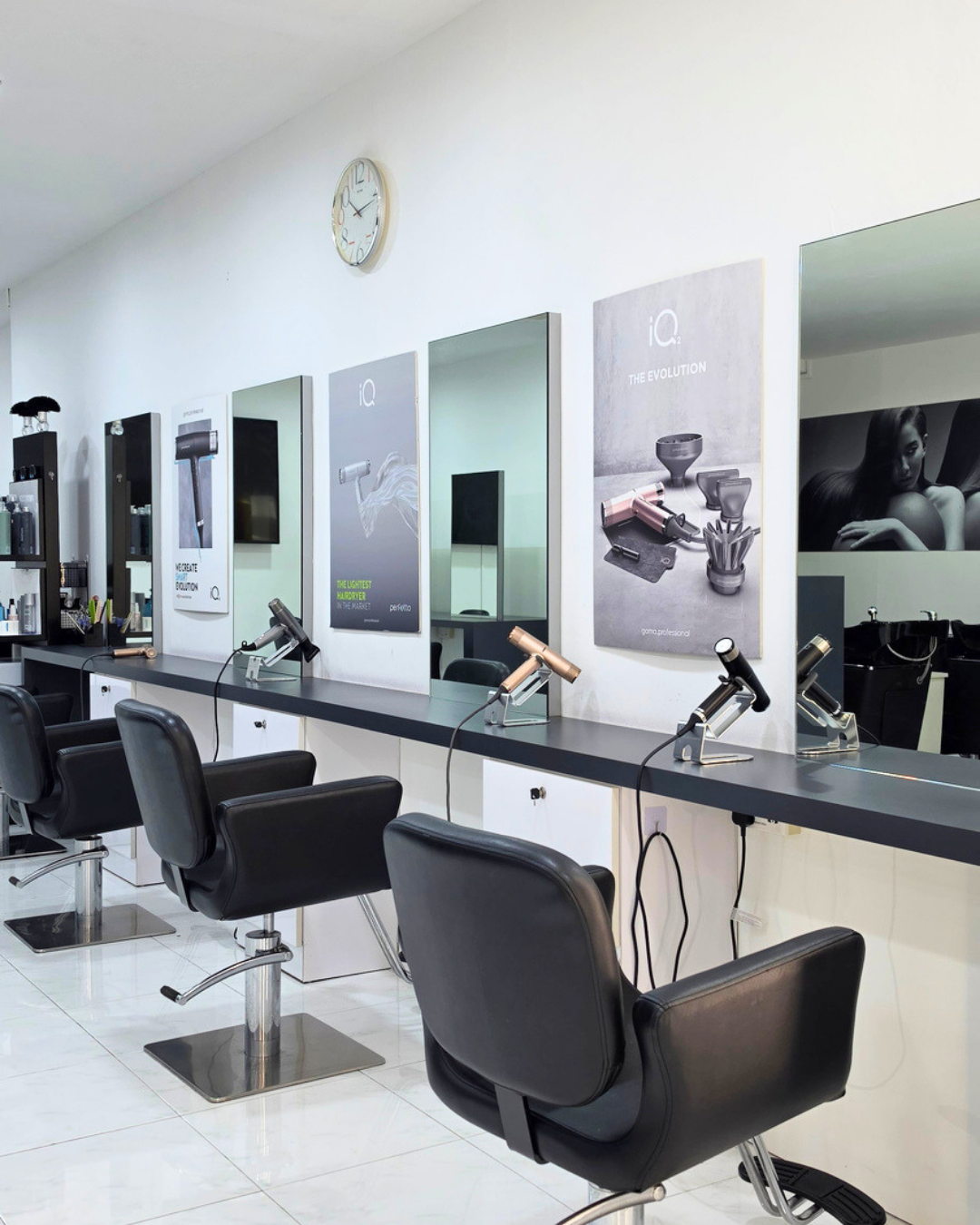
A Smarter Alternative: Ready-to-Work Spaces
A growing shift in the beauty industry is the move toward ready-to-use salon setups and shared spaces.
Instead of committing to a full shop immediately, many professionals are choosing to:
Work in pre-set salon stations
Rent fully equipped beauty spaces
Start small and scale gradually
This approach allows them to focus on what actually matters most in the beginning: building a client base and improving their craft.
Why This Approach Works Better for Many Beginners
Starting in a ready setup offers several advantages:
1. Lower financial pressure
You don’t need to invest heavily in furniture, renovation, or full shop setup upfront.
2. Faster business start
You can begin taking clients immediately without waiting to build a space.
3. Reduced risk
You avoid long-term lease commitments before your income is stable.
4. Focus on growth
Your attention stays on clients, skills, and income — not overhead costs.
Rethinking the “Salon Owner” Timeline
There’s nothing wrong with opening your own salon — it can still a strong long-term goal.
But the timing matters.
A more sustainable path for many professionals is:
Build skill
Build clients
Work in a ready setup or shared space
Scale into your own salon when demand is stable
This approach reduces failure risk and creates a more stable foundation for growth.
Final Thought
Being skilled is important — but being strategic is what turns skill into a sustainable business.
You don’t need to rush into ownership to prove success. Sometimes, the smarter move is starting in a system that supports your growth first.
A ready setup isn’t a step backward — for many, it’s the fastest way forward.