

How to Build a Successful Color Analysis Business in Singapore.
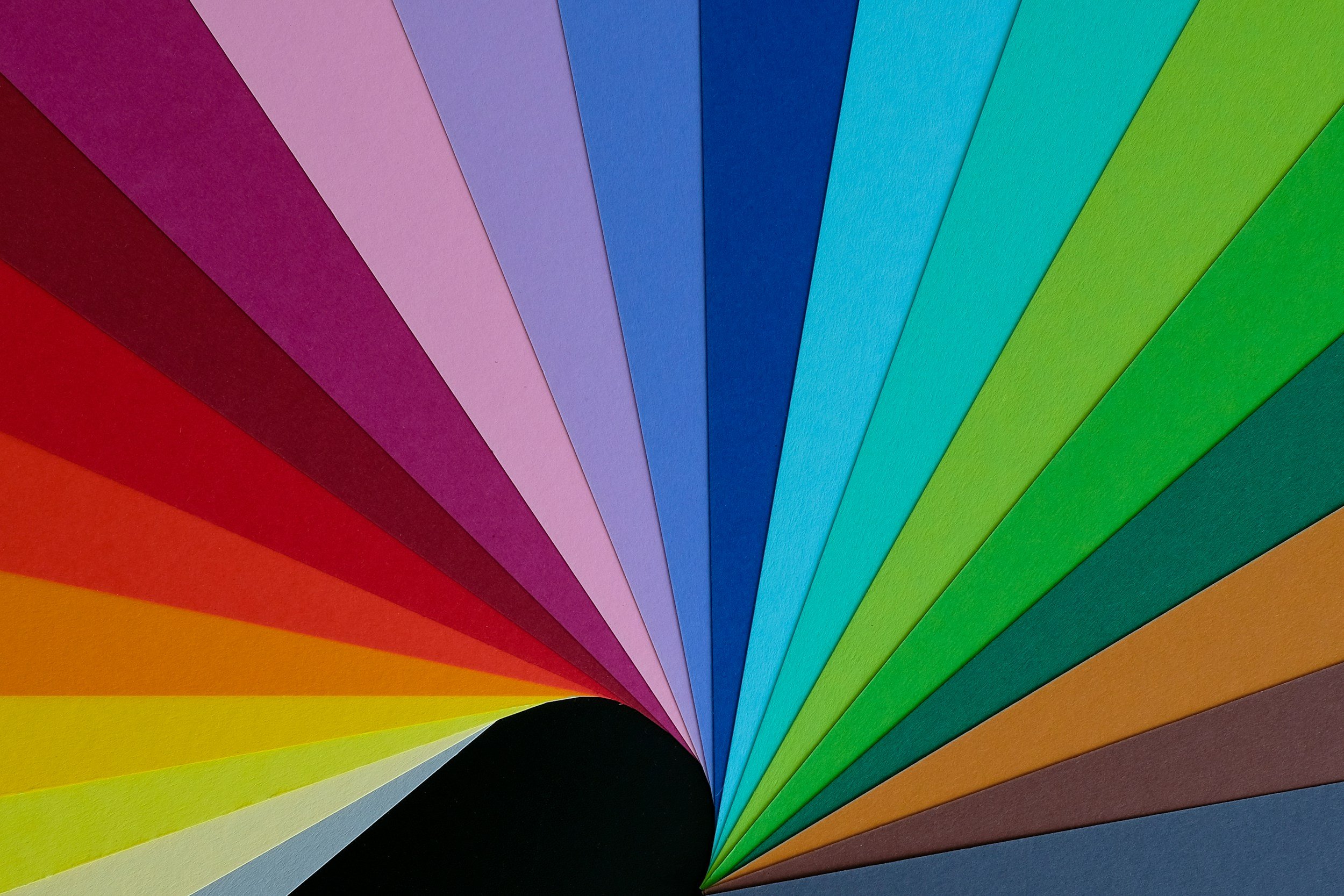
The demand for personal color analysis in Singapore is growing quickly. With the rise of TikTok beauty trends, K-beauty influence, capsule wardrobes, wedding styling culture, and personal branding on social media, more people are actively seeking guidance on the colours that suit them best.
For anyone starting a color analysis business today, success depends on two key factors:
Building a steady flow of qualified clients
Running your services efficiently so the business can scale without burnout
This guide breaks down exactly how to approach both customer acquisition and operations in a practical, structured way.
1. Define Your Positioning Clearly
Before focusing on marketing, it is essential to define who your business serves and what transformation you deliver.
Instead of simply saying:
“I do seasonal color analysis”
Position your service around outcomes that matter to clients:
Helping professionals build flattering wardrobes that save time and money
Helping brides choose colours that enhance their wedding-day appearance and photography
Helping men upgrade their style confidence without complicated fashion rules
Helping Asian skin tones discover palettes beyond traditional Western systems
Your positioning will directly influence:
Your pricing strategy
Your content marketing direction
Your referral potential
Your conversion rate
Choosing a Strong Niche
Some of the most effective entry niches in Singapore include:
Corporate professionals looking to refine their image
Brides and wedding parties
Makeup enthusiasts
Modest fashion audiences
Men’s grooming and styling
Plus-size confidence styling
Students and young professionals entering the workforce
Mothers re-entering professional life
Focusing on a clear niche helps you stand out in a growing market.
2. Customer Acquisition Strategy
A. TikTok and Instagram Reels (Highest ROI Channel)
Color analysis is a highly visual service, making short-form video content the most powerful acquisition tool.
Content that performs well includes:
Before-and-after transformations
Draping comparisons
Makeup shade testing
Jewelry metal comparisons (gold vs silver)
“Why certain colours don’t suit you” explanations
Celebrity colour breakdowns
Common styling mistakes
Content that converts best:
Fast visual transformations
Relatable problems (e.g. “Why does beige wash me out?”)
Simple comparisons
Emotional results (“I finally understand my colours”)
The key is to avoid over-complicated theory. Most clients are not looking for technical systems—they are looking for clarity, confidence, and results.
People buy:
Confidence
Attractiveness
Simplicity in shopping
Better self-image
Compliments from others
B. Google Maps and Local SEO (High Intent Clients)
Many clients actively search for services like:
“color analysis Singapore”
“personal color consultant near me”
“seasonal color analysis Singapore”
To capture this demand, you should set up:
A Google Business Profile
A SEO-optimized website
A clear booking system
A structured review collection process
Reviews are extremely important
Strong reviews should highlight:
Emotional transformation
Confidence improvement
Compliments received
Shopping clarity
These details significantly increase trust and conversion rates.
C. Partnerships (High Leverage Growth Strategy)
One of the fastest ways to grow a color analysis business is through partnerships.
Ideal partners include:
Bridal studios
Makeup artists
Photographers
Hair salons
Stylists and image consultants
Fashion boutiques
Wellness and aesthetic clinics
You can offer:
Referral commissions
Co-branded packages
Joint workshops
Example:
A “bridal color harmony package” combining makeup, styling, and color analysis.
D. Corporate Workshops (Underrated Revenue Stream)
Corporate clients are a strong but often overlooked opportunity.
Workshops can focus on:
Executive presence
Personal branding
Camera-ready colours for meetings and presentations
Professional image building
These clients typically have higher budgets than individual bookings.
3. Operations: Building a Scalable System
A common challenge in beauty and styling businesses is inconsistency and burnout. The solution is to systemize your operations early.
Your Ideal Client Journey
A smooth client flow should include:
Content discovery (social media or Google)
Profile visit (Instagram or website)
Booking and payment
Intake form submission
Consultation session
Color palette delivery
Follow-up recommendations
Review request
Referral encouragement
The more automated this process is, the easier it becomes to scale.
4. Standardizing Your Session Structure
A consistent service experience improves efficiency and client satisfaction.
Example structure for a premium 90-minute session:
Initial consultation
Undertone and contrast analysis
Draping session
Seasonal classification
Makeup colour recommendations
Hair colour guidance
Jewelry and metal matching
Wardrobe advice
Digital color palette delivery
Shopping recommendations
Optional add-ons:
Wardrobe audit
Makeup bag review
Personal shopping sessions
Couple or group sessions
Virtual consultations
5. Pricing Strategy
Pricing plays a major role in how your service is perceived.
Color analysis is positioned as:
A luxury service
A self-image investment
A professional styling tool
Low pricing can unintentionally reduce perceived value.
A better approach is:
Start at a mid-premium price point
Focus on delivering strong results and testimonials
Gradually increase pricing as demand grows
6. Key Business Metrics to Track
Early success should not be measured by followers.
Instead, focus on:
Number of bookings
Conversion rate from inquiry to booking
Referral rate
Average revenue per client
Repeat service rate
These metrics reflect real business health.
7. What Drives Growth in Color Analysis Businesses
Successful color analysis businesses usually excel in three areas:
Visual transformation
Clients need to clearly see the difference before and after.
Emotional outcome
Clients value:
Confidence
Clarity
Reduced confusion in shopping
A stronger personal identity
Shareability
Encouraging clients to share results creates organic marketing.
This can include:
Personalized palette cards
Before-and-after visuals
“Your season” summaries
Social media-friendly graphics
8. Common Operational Mistakes to Avoid
Avoid:
Over-customizing every session manually
Relying only on direct messages for bookings
Over-explaining technical theory
Underpricing services
Skipping follow-ups
Ignoring reviews
Instead:
Standardize your process
Automate reminders and booking
Build reusable templates
Collect testimonials consistently
9. Scaling Opportunities Beyond Core Services
Once your core service is stable, you can expand into:
Digital color palettes
Online consultations
Group workshops
Subscription styling services
Affiliate product recommendations
Wardrobe planning packages
Online courses
Certification programs
Franchise or licensing models
Final Thoughts
A successful color analysis business in Singapore is not built on theory alone—it is built on visibility, clarity, and operational efficiency.
The most effective operators combine:
Strong visual marketing
A clear niche
A structured client experience
Smart partnerships
Consistent systems
When done well, color analysis becomes more than a beauty trend. It becomes a practical lifestyle service that helps people feel more confident, intentional, and put-together in their daily lives.